A business I work with had a follow-up process that looked, on paper, like it should have worked.
Every new inquiry through the website got a phone call. Usually within the hour. Personal, prompt, from someone who genuinely wanted to help. If you asked me to describe good lead follow-up, I might have described that.
They were still losing people. Not because anyone was slacking. Because most of the follow-up never arrived.
Two failures hindering conversion rates
The calls worked when they connected. That part was never the problem. Someone picks up, the conversation goes well, a consultation gets booked. The trouble was how often nobody picked up. An unknown number rings and a lot of people just don’t answer one anymore.
The emails had another problem. First contact with a brand-new lead is the hardest email you will ever try to deliver. There is no prior reply between those two addresses, no history, nothing telling the receiving server that this sender is wanted. A meaningful share of those first emails were going to spam, so nobody saw them.
A lead would fill in a form, sit there expecting to hear something, and hear nothing. Meanwhile the business believed it had reached out twice.
The follow-up was simply not happening.
What we changed
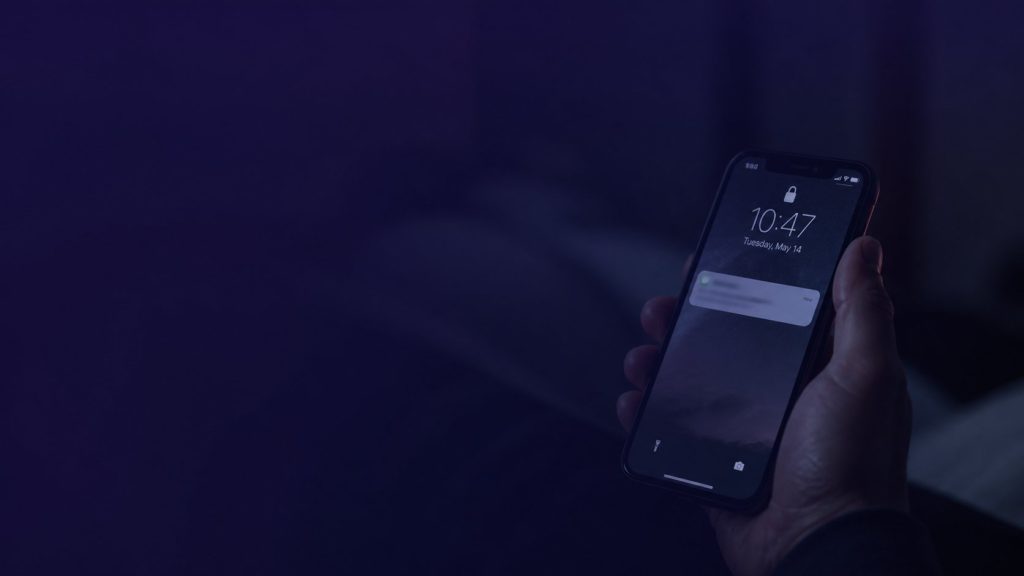
Now, within seconds of an inquiry landing, a text goes out automatically. It greets the person by name, confirms what they asked about, and gives them one thing to do next: pick a time, or reply with a question.
The email still goes. The call still happens.
What changed is that the first message now arrives on the one channel that has 90%+ open rates.
The results
Engagement went up sharply, and so did the number of leads who actually booked an initial consultation. Same leads, same offer, same people doing the work. The difference was that the leads were engaged much more immediately and consistently than before.
The second was the part I did not predict. The phone calls got more effective. When the phone rings now, that person has already had a message from the business about the exact thing they asked about. It is not an unknown number anymore. It is the business they contacted forty minutes ago, following up like they said they would.
Which does not make texting the answer to everything
Each communication channel has its sweet spot, it’s important to know which works for your context.
| Phone call | First-contact email | SMS | |
|---|---|---|---|
| Best at | Actual conversation, and closing | Detail, links, documentation | Deliverability and engagement |
| Main failure mode | Nobody picks up | Lands in spam, never seen | Costs you trust if unearned |
| Typical open rate | Depends entirely on pickup | 20 to 28% of what gets delivered | 90 to 98%, estimated |
| Consent | Reasonable after an inquiry | Needs a working unsubscribe | Prior express written consent, TCPA |
| Where it’s ideal in your funnel | Third, once they know you exist | Second, carrying the follow-up details | First, every time |
Consent is important. Marketing texts to someone who has not opted in are exposure under the Telephone Consumer Protection Act, and damages there are calculated per message. Put a clear, opt-in consent line on your inquiry form, and keep the record of who checked it.
Where texting fits, and where it doesn’t
SMS works best when the person you are texting is the decision maker, the number you captured is a mobile number and the next step is booking a time on a calendar. Consultations, clinics, coaching, trades, home services. Anything appointment-led. The text is doing the job of confirming that a human saw the request.
It works less well the further you get away from the use cases above. Text someone at work about a large enterprise purchase and you may come across as pushy, not helpful. Long buying cycles with multiple people involved need a record of communication and documentation – best for email. And if you handle anything regulated (health information especially) get proper advice before sending over SMS. HIPAA and its equivalents have firm opinions on this.
Takeaways
Get that first response to a lead out of human hands. Text first, the lead will see it. Email second, because it carries the details. Call third, once you are a name they recognize instead of a number they don’t.
The open rates are what people quote. The bigger change was to the work itself: contact has already happened before anyone picks up the phone. Chasing became closing and your people can spend their time on work that is the most valuable.